
Buying a new home is about more than choosing a floor plan, homesite, or design package. It is about choosing the builder behind the home. The builder you choose will shape not only your day-to-day living experience, but also the long-term quality, durability, resale appeal, and value of your investment.
For many home shoppers, the model home is where the decision starts. But it should not be where the evaluation ends.
If you are considering a newly built home, here is how to evaluate a residential builder before you buy and why doing your homework can make all the difference for your future.
Start With the Builder’s Track Record
One of the best ways to evaluate a builder is to look at what they have already built.
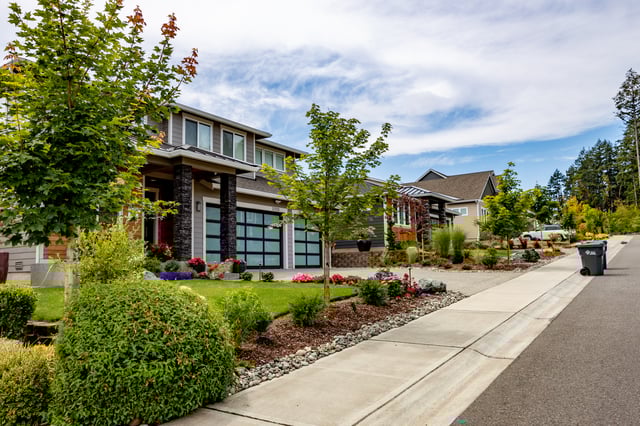
A polished model home can make a strong first impression, but a builder’s past communities tell the real story. Visit neighborhoods they completed years ago. Walk the streets and look at the architecture, landscaping, curb appeal, and overall condition of the homes. Ask yourself:
- Do the homes still feel attractive and well cared for?
- Does the community still feel cohesive?
- Do the materials and design choices appear timeless?
- Is there a sense of lasting quality?
A strong builder does not just build homes that look good on day one. They build homes and communities that age well.
At Rush Residential, we believe this matters deeply. We encourage home shoppers to look at our past communities because they reflect the long-term care, craftsmanship, and thoughtful planning that define our work.
Pay Attention to How a Community Ages
A residential builder should be judged not only by how a home looks when it is brand new, but by how it performs over time.
When you visit a past community, look beyond the front door. Notice the overall streetscape. Look at the exterior finishes, rooflines, driveway presentation, retained appeal of trim and siding details, and the feel of the neighborhood as a whole.
Communities that hold their beauty tend to reflect strong original decisions in areas like:
- Home design and architectural consistency
- Material selection
- Site planning
- Livability of floor plans
- Long-term maintenance considerations
These are the kinds of details that can impact not only pride of ownership, but also resale potential.
Look at Resale Performance and Appreciation
One of the most reliable ways to gauge a builder’s long-term value is to see how their homes perform at resale.
Recently, Rush Residential homes in three established communities resold with strong appreciation offering a clear, measurable reflection of that lasting value.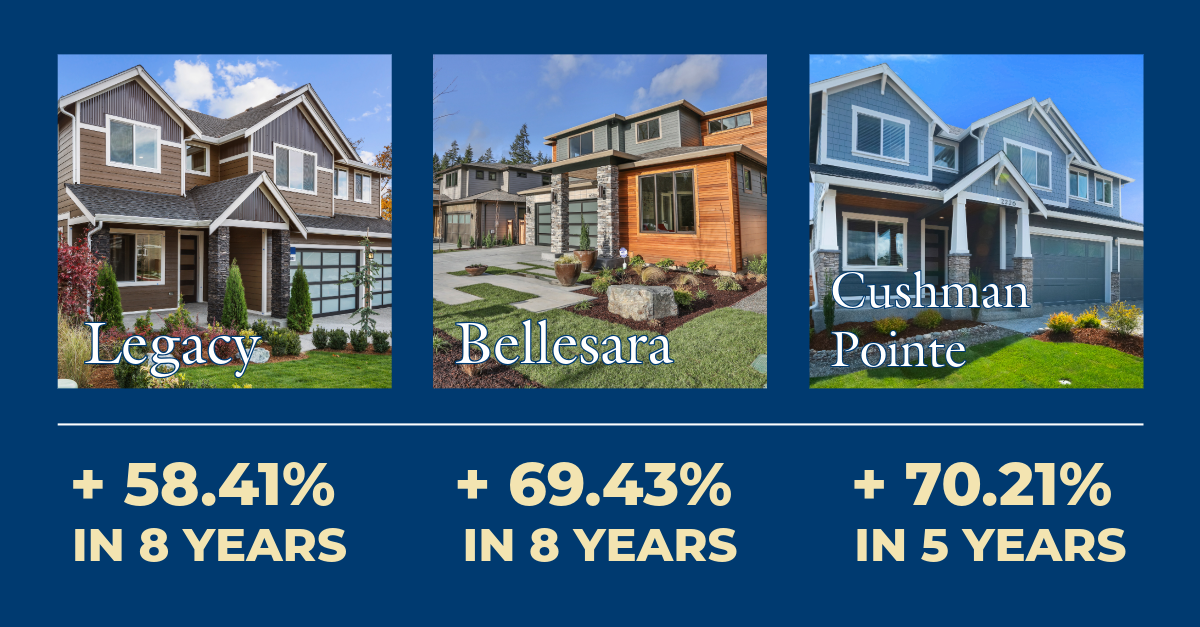
That kind of performance does not happen by accident.
Homes that hold value well are often backed by thoughtful design, quality construction, enduring materials, and communities people continue to want to live in years after the initial sale. Appreciation is influenced by many market factors, of course, but a builder’s commitment to quality and timeless appeal can play an important role in how a home is perceived over time. This is one of the top reasons why Rush Residential chooses to include front yard landscape maintenance in their HOA dues.
For home shoppers, this is an important reminder: you are not only buying for today. You are buying for the years ahead.
Ask What Is Included and What Is Truly Standard
Not all builders define “standard” the same way.
Some homes look appealing at first glance, but once buyers dig into the details, they realize many desirable features come at an added cost. A builder worth trusting should be transparent about what is included and whether those features support durability, comfort, and everyday living.
When evaluating a builder, ask:
- What features are standard?
- Which materials are selected for durability, not just appearance?
- What design elements help the home feel timeless instead of trendy?
- Are energy-efficiency measures built in?
- Are there quality details that reduce maintenance over time?
Rush Residential has long believed that thoughtful included standard features matter. Homes should feel complete, functional, and beautiful from the start, not stripped down to create upgrade sales later.
Evaluate Quality Beyond the Surface
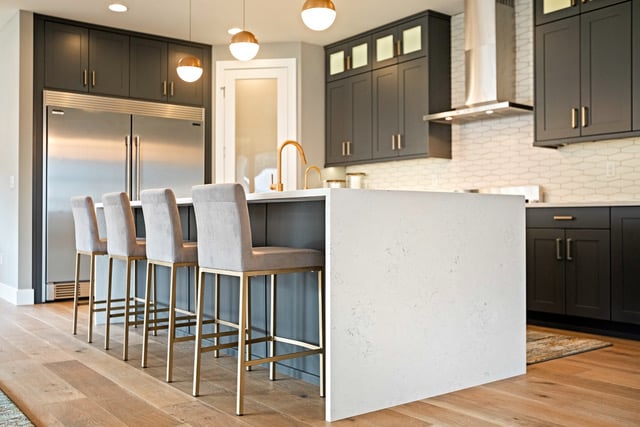
Beautiful finishes are important, but true builder quality goes deeper than paint colors and countertops.
A strong builder has clear systems, strong trade relationships, and quality checks throughout construction. The goal is not just to create a finished home that photographs well. It is to build a home that performs well.
When comparing builders, ask about:
- Construction processes and inspections
- Framing and mechanical quality standards
- Moisture management and ventilation practices
- Warranty support and service after closing
- Communication throughout the build journey
Buyers should feel confident that quality is being built in at every stage, not simply polished at the end.
Consider the Builder’s Reputation for Service
The buying experience matters. So does what happens after move-in.
A builder’s reputation is not only about what they build, but also how they communicate, how they solve problems, and how they care for homeowners after the sale. Ask around. Read reviews. Talk to site agents, neighbors, and past buyers if possible.
A trustworthy builder should be known for:
- Clear communication
- Professionalism
- Responsiveness
- Consistent follow-through
- Pride in customer care
At Rush Residential, we believe a home purchase should feel personal, transparent, and supported. We build where we live, and that shows up in the way we care for both our homes and our homeowners.
Look for Timeless Design, Not Just Trends
Trendy homes can feel exciting in the moment, but timeless homes tend to age more gracefully.
When touring model homes and past communities, look at whether the builder’s design choices feel lasting. Are the floor plans livable? Do the elevations feel balanced? Do the homes fit the surrounding environment? Will the community still feel attractive years from now?
This is one of the quiet strengths of a well-considered builder. Timeless design helps a home stay relevant, desirable, and comfortable over the long run.
Rush Residential focuses on homes designed for real life — with quality craftsmanship, enduring style, and thoughtful details that continue to matter after the excitement of move-in day.

Why Visiting Past Communities Matters So Much
If there is one step every home shopper should take before buying from a residential builder, it is this:
Go visit the builder’s older communities.
This is where you can often see the difference between short-term presentation and long-term value.
Past communities can help answer important questions:
- Do these homes still look beautiful years later?
- Does the neighborhood still feel desirable?
- Have the designs held up well?
- Is there visible evidence of care, planning, and quality?
- Would I still be proud to own a home here today?
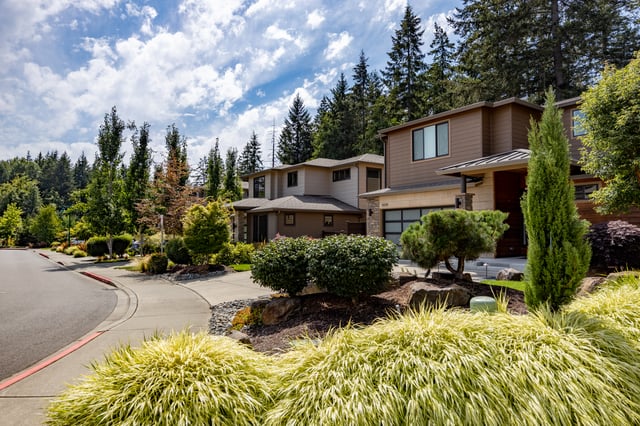
At Rush Residential, we are proud of the communities we have built and how they continue to represent our standards over time. For buyers, that kind of track record should matter.
Final Thoughts: Choose a Builder With Proven Results
Choosing a home builder is one of the most important parts of buying a new home. A beautiful model can draw you in, but the right builder gives you confidence in what comes next.
Before you buy, take time to evaluate:
- The builder’s past communities
- How their homes age
- Their resale and appreciation performance
- Their quality standards
- Their included features
- Their customer care and reputation
A new home should do more than look good on closing day. It should serve your family well, feel lasting in its design, and hold strong value over time.
That is why so many buyers look beyond the surface and choose a builder with a proven record of craftsmanship, community care, and long-term results.
At Rush Residential, we believe your home should be one of the smartest long-term investments you make built with uncompromising quality, timeless design, and lasting value.
FAQs: How to Evaluate a Residential Builder Before You Buy
What should I look for when evaluating a home builder?
Look for a proven track record, quality construction, strong customer service, timeless design, transparent included features, and past communities that still look attractive and well maintained.
Why should I visit a builder’s past communities?
Past communities show how a builder’s homes age over time. They can reveal the quality of materials, durability of design choices, neighborhood planning, and long-term curb appeal.
Does home appreciation matter when choosing a builder?
Yes. While appreciation depends on many factors, a builder’s quality, design standards, and community planning can influence how well homes hold value over time.
How can I tell if a builder offers real quality?
Ask about construction practices, inspections, warranty support, energy efficiency, included features, and service after the sale. Then compare that with what you see in older completed communities.
Realtor Nick Dahl at The Maritime Group offered the following advice
“As a seasoned real estate agent in the Pacific Northwest, I believe one of the most important things a homebuyer can do before choosing a builder is research that builder’s track record—not just online, but in real life. I always encourage buyers to visit the builder’s past communities, walk through the older neighborhoods, and see how those homes are standing the test of time as they mature. It’s also incredibly valuable to talk with past clients and hear firsthand about their experience, the quality, and the level of service they received throughout the process. Most importantly, buyers should look at how those homes have performed on resale and feel confident that they hold and appreciate their value well over time. At the end of the day, a home is one of the biggest financial assets most people will ever own and choosing the right builder matters.”
What sets Rush Residential apart?
Rush Residential is known for thoughtful communities, timeless home design, strong craftsmanship, and a long-term view of value. Our past communities and appreciation results help show that commitment in a real and measurable way.
