
When you are shopping for a new construction home, it is easy to hear the phrase “quality construction” and wonder what it actually means.
Is it about finishes?
Is it about energy efficiency?
Is it about the builder’s reputation?
Is it about what happens behind the walls before the home is ever complete?
The answer is yes - but true quality construction goes deeper than what you see in a model home.
At Rush Residential, quality construction means building homes with thoughtful planning, durable materials, careful inspections, efficient systems, and long-term homeowner comfort in mind. It is not one single feature. It is the full process of building a home the right way, from the ground up. Quality never means perfection however.
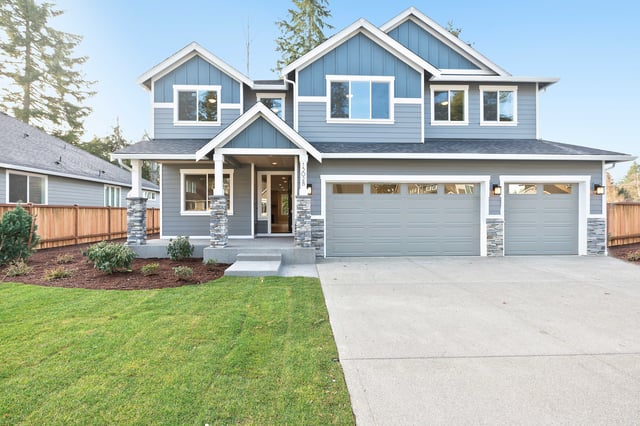
What does quality construction mean in a new home?
Quality construction means a home is built with durable materials, efficient systems, careful craftsmanship, strong oversight, and thoughtful design choices that support how the home will live, perform, and age over time.
In a new home, quality should show up in three major ways:
- How the home is built
- How the home performs
- How the home feels to live in every day
A beautiful kitchen or a great floor plan matters, but quality construction also includes things homeowners may not immediately see, such as insulation, window performance, mechanical systems, moisture protection, framing details, ventilation, and consistency during each construction milestone.
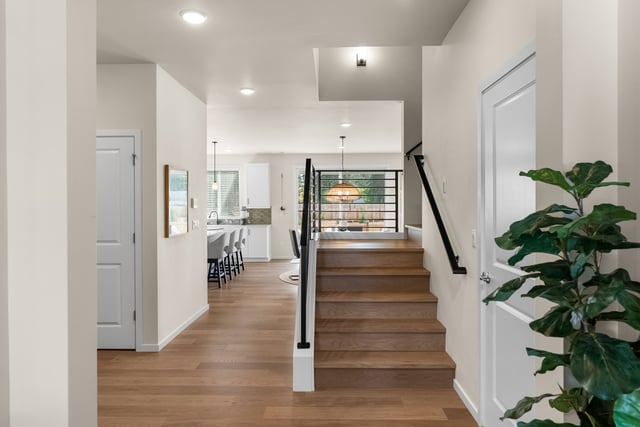
Quality construction starts before the finishes go in
Many buyers fall in love with countertops, cabinets, flooring, and lighting — and they should. Those details help make a house feel like home.
But the real test of quality often begins before any of those finishes are installed.
A well-built home depends on what happens during the earlier stages of construction: site preparation, framing, mechanical rough-in, insulation, drywall, exterior installation, and quality checks along the way. Each stage matters because each stage affects the next.
For example, framing quality impacts how straight walls are. Mechanical planning impacts comfort and efficiency. Insulation and windows impact energy use and indoor temperature control. Moisture checks before drywall help protect the long-term integrity of the home.
That is why quality construction is not just about the final walkthrough. It is about consistently inspecting and verifying the home throughout the build.
Quality means efficiency is built into the home
One of the most important parts of quality construction today is efficiency.
Rush Residential has emphasized what we call “super efficiencies” - features designed to help homeowners enjoy better comfort, improved energy performance, and practical day-to-day convenience. Some of these include triple-pane windows, higher-density insulation, energy-efficient heating and cooling systems, Energy Star appliances, and a washer/ventless dryer included in every home these days.
That matters because quality is not only about how a home looks when it is new. It is also about how the home performs in real life.
A quality-built home should help support:
- More consistent indoor temperatures
- Better energy efficiency
- Improved comfort through the seasons
- Thoughtful use of modern systems
- Lower-maintenance daily living
- Long-term homeowner confidence
In the Pacific Northwest, where weather, moisture, and seasonal temperature swings are part of everyday life, efficiency is not just a bonus. It is part of building responsibly. Sometimes nature wins and having a builder who stands by their work and their homeowners after move in is critical.
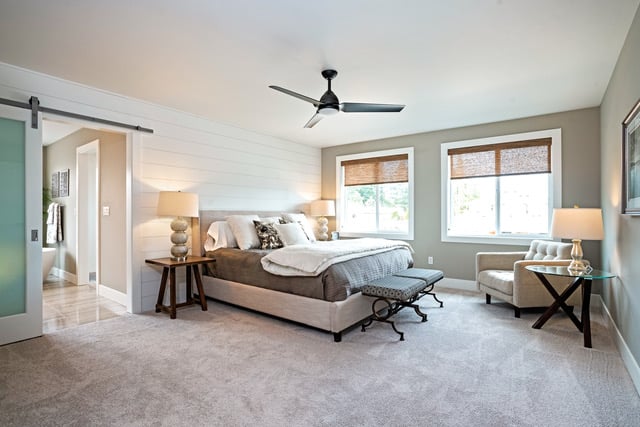
Quality means better materials in the places that matter
A quality home should include materials selected for durability, comfort, and long-term value.
That can include visible features like durable flooring, well-built cabinetry, quality appliances, and carefully selected finishes. But it also includes less visible details like windows, floor trusses, insulation, HVAC systems, flashing, waterproofing, and framing practices.
At Rush Residential, quality is also reflected in the idea that “Everything you need is included” in communities like at The Preserve, with standard features and efficiency-focused elements built into the home experience rather than treated as afterthoughts or upgrades home shoppers have to spend more money on.
That approach helps buyers better understand what they are getting from the start. It also supports a more transparent home shopping experience.
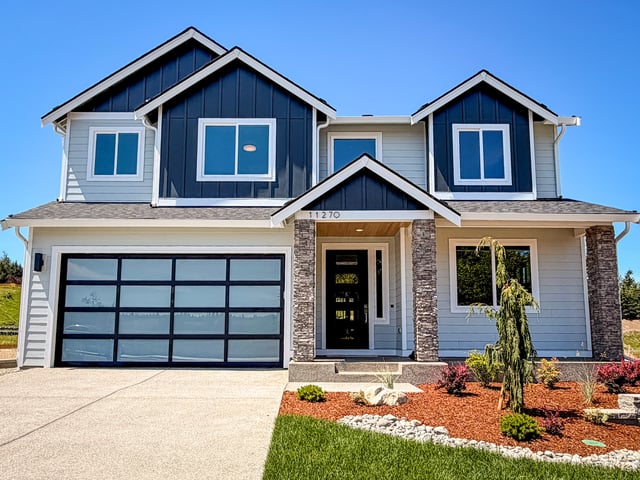
Quality means the home is designed for real life
A quality new home should feel good to live in.
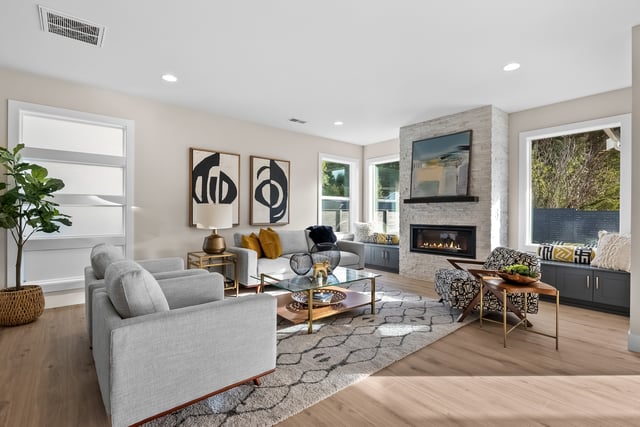
That means the floor plan should make sense. Storage should be useful. Main living areas should feel open and comfortable. The kitchen should support everyday routines. Bedrooms, offices, lofts, guest spaces, and outdoor areas should reflect the way families actually live.
Quality construction is not only about technical building standards. It is also about thoughtful design.
For example, a well-designed home may include:
- Wide open entries and hallways
- Flexible rooms for work, guests, or hobbies
- Durable surfaces for busy households
- Comfortable gathering spaces
- Efficient heating and cooling
- Smart appliance placement
- Useful lighting
- Functional storage
- Outdoor living opportunities
- Community features that support lifestyle
Community features include parks, play areas, pickleball, HOA-maintained front yards, streets, common areas, and a 10-year home warranty. Those details support not just the individual home, but the overall experience of living in the community.
Quality means consistency during construction
A truly quality-focused builder does not rely on one inspection at the end of the process.
Quality requires checkpoints.
That means looking closely at the home during important construction milestones, verifying details, correcting items early, and making sure the finished home reflects the builder’s standards.
For homebuyers, this matters because many important pieces of the home are covered up by the time the home is complete. Once drywall, flooring, cabinets, and paint are installed, you cannot easily see what happened behind the walls.
That is why a builder’s process matters.
A quality builder should be able to explain:
- What is checked during framing
- What is reviewed before insulation
- How mechanical systems are verified
- How moisture is monitored before drywall
- How finishes are reviewed before closing
- How warranty and homeowner support are handled after closing
The more intentional the process, the more confidence buyers can have in the finished home.
Quality means comfort you can feel every day
Some quality features are easy to see. Others are easier to feel.
You may notice that a quality-built home feels quieter, holds temperature better, has fewer drafts, or feels more comfortable from room to room. You may notice that the home functions smoothly because the layout was planned carefully. You may notice that included features reduce the need for immediate upgrades after move-in.
That is the difference between a home that simply looks good and a home that lives well.
Quality construction should make everyday life easier.
What should buyers look for when evaluating construction quality?
When touring a new construction home, buyers should look beyond the surface. Beautiful finishes are important, but they are only one part of the quality story.
Here are a few smart questions to ask:
1. What energy-efficient features are included?
Ask about windows, insulation, HVAC systems, appliances, and ventilation. These features can directly impact comfort and long-term energy use.
2. What features are standard?
A home may look similar to another builder’s model, but what is included can vary dramatically. Ask what comes standard and what costs extra.
3. What quality checks happen during construction?
A builder with a strong process should be able to explain how homes are reviewed at different stages.
4. What warranty support is provided?
A warranty gives homeowners added confidence after closing. The Preserve highlights a 10-year home warranty as part of its community features.
5. How do past communities look today? This one is IMPORTANT!
One of the best ways to evaluate a builder is to drive through communities they built years ago. Look at how the homes, streetscapes, landscaping, and overall community feel have aged over time.
Quality construction should hold up beyond the grand opening.
Why quality construction matters when buying new
Buying a new home is one of the biggest decisions most people make. Quality construction matters because it affects you more than the day you move in.
It can impact:
- Comfort
- Energy efficiency
- Maintenance needs
- Resale confidence
- Daily functionality
- Long-term pride of ownership
- Overall peace of mind
A quality-built home should support your life today and continue to serve your family well for years to come.
The Rush Residential approach to quality
At Rush Residential, quality construction is part of a larger promise: to build communities with homes that will delight families for generations.
That means focusing on the details buyers can see and the ones they cannot.
It means building homes with efficient systems, thoughtful included features, strong construction oversight, and a deep understanding of how families live in the Pacific Northwest.
It means caring about the home before, during, and after construction.
And most importantly, it means remembering that every home is more than a structure. It is where real life happens.
Final answer: What does quality construction actually mean?
Quality construction means a home is built with intention at every stage. It means the builder cares about the foundation, framing, efficiency, systems, finishes, inspections, warranty, and homeowner experience.
It is not just about how a home looks.
It is about how it performs, how it feels, how it lasts, and how confidently you can call it home.
FAQ
What is quality construction in a new home?
Quality construction in a new home means the home is built with durable materials, efficient systems, careful craftsmanship, and consistent oversight throughout the construction process. It includes both visible features, like finishes and cabinetry, and hidden features, like framing, insulation, windows, mechanical systems, and moisture protection.
How can I tell if a new construction home is high quality?
You can evaluate a new construction home by asking what features are included, what energy-efficient systems are used, what inspections happen during construction, what warranty is provided, and how the builder’s past communities have aged over time.
Are energy-efficient features part of quality construction?
Yes. Energy-efficient features are an important part of quality construction because they can improve comfort, support better temperature control, and help the home perform more efficiently over time. Features like triple-pane windows, higher-density insulation, efficient heating and cooling systems, and Energy Star appliances can all contribute to a better-built home.
Why does the construction process matter when buying a new home?
The construction process matters because many important parts of the home are covered before the buyer ever sees the finished product. A builder with strong quality checks throughout construction can catch issues earlier and help ensure the finished home meets a consistent standard.
What should I ask a builder before buying a new construction home?
Ask the builder what is included as standard, what energy-efficient features are built into the home, what inspections happen during construction, what warranty support is provided, and whether you can visit completed communities to see how the builder’s homes age over time.